

Academic Department
Department of Pharmacology
About the Department
The Pharmacology Department is a vital and well-established academic unit dedicated to providing comprehensive education and training in the field of pharmacology for pharmacy students. The department plays a key role in bridging the gap between basic medical sciences and clinical practice by helping students understand how drugs interact with biological systems.
It focuses on both theoretical knowledge and practical applications, ensuring that students gain a deep understanding of drug mechanisms, therapeutic uses, adverse effects, and safe administration. The department is equipped with qualified and experienced faculty members who are committed to delivering high-quality education through innovative teaching methodologies.
In addition to regular classroom teaching, the department emphasizes experiential learning through laboratory sessions, demonstrations, and case-based discussions. This integrated approach enables students to develop critical thinking, analytical skills, and a strong foundation in pharmacological sciences.
Vision & Mission
Vision
The vision of the Pharmacology Department is to become a center of excellence in pharmacological education and research. It aims to provide high-quality education that nurtures competent, ethical, and skilled healthcare professionals who can contribute meaningfully to society.
The department strives to empower students with knowledge and skills that enable them to meet global healthcare challenges, promote patient safety, and support the rational use of medicines. It also envisions fostering innovation and lifelong learning among students and faculty.
Mission
The mission of the department is centered around academic excellence, professional development, and societal contribution. The key objectives include:
- To impart strong theoretical knowledge of pharmacology, including drug classification, mechanisms of action, pharmacokinetics, and pharmacodynamics.
- To provide hands-on practical training that enhances students’ understanding of experimental pharmacology and drug evaluation. .
- To promote the rational use of medicines and create awareness about drug safety, adverse drug reactions, and ethical prescribing practices. .
- To encourage students to engage in research activities, scientific inquiry, and evidence-based learning.
- To develop critical thinking, problem-solving abilities, and professional competence among students.
- To instill values of responsibility, ethics, and continuous learning in future healthcare professionals.
Laboratory Facilities
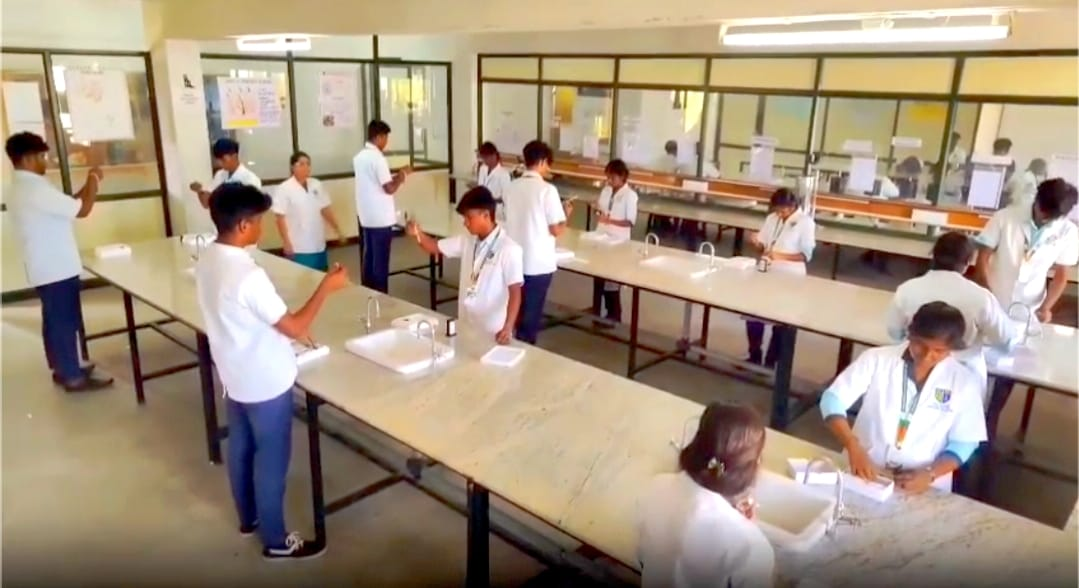
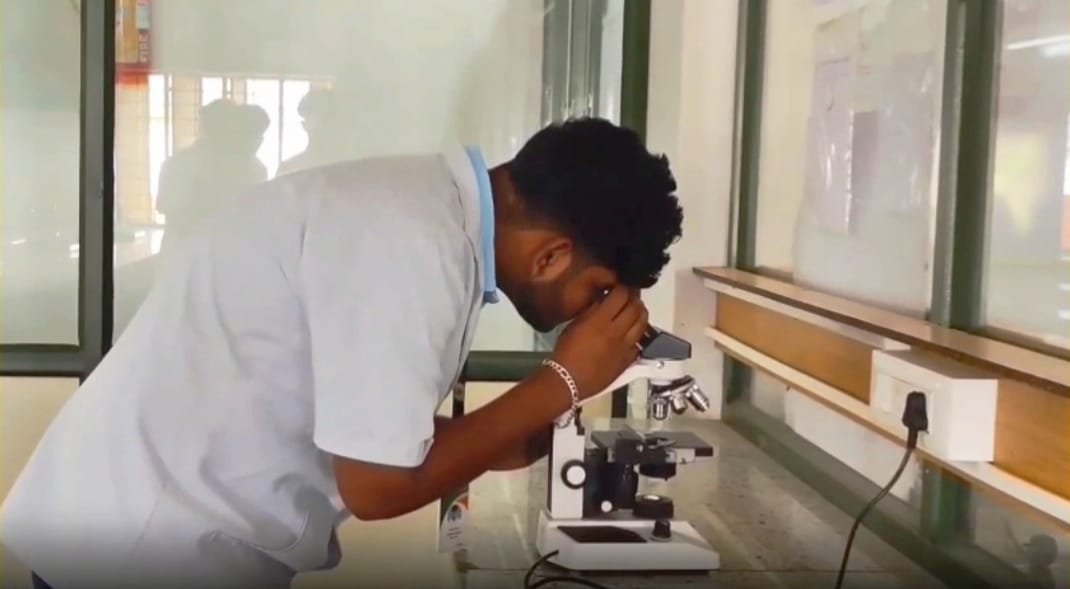
The department is equipped with a dedicated pharmacology laboratory designed to facilitate effective practical learning. The laboratory is spacious, well-organized, and maintained with proper lighting, ventilation, and hygiene standards.
Well-Equipped Pharmacology Laboratory
The laboratory houses essential instruments, equipment, and materials required for conducting pharmacological experiments and demonstrations in a safe and structured environment.
Modern Laboratory Infrastructure
The laboratory is designed with adequate lighting, proper ventilation, and hygienic conditions to ensure a comfortable and effective practical learning experience for students.
Practical Training
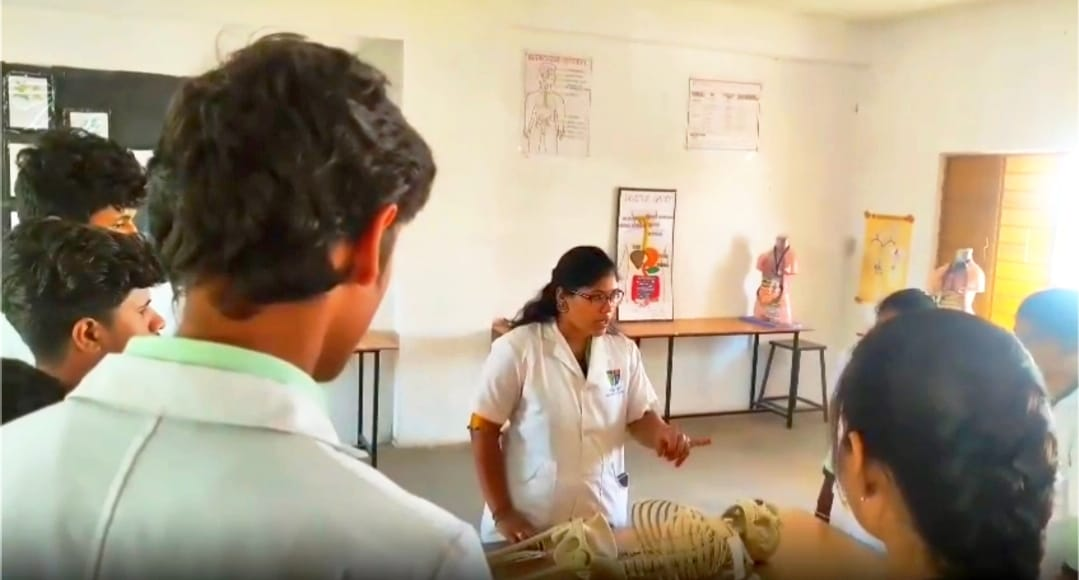
Students perform pharmacological experiments and practical exercises under the guidance of qualified faculty members, ensuring accuracy, safety, and a thorough understanding of laboratory procedures.
Simulated Experiments
Laboratory sessions include simulated experiments that help students understand the effects and actions of drugs while strengthening their theoretical knowledge through practical application.
Hands-on Learning Environment
The laboratory promotes active participation, scientific curiosity, and hands-on learning, enabling students to develop essential practical skills required for mastering pharmacology.
Museum / Display Section
Educational Displays
- Well-maintained museum serving as a visual learning resource
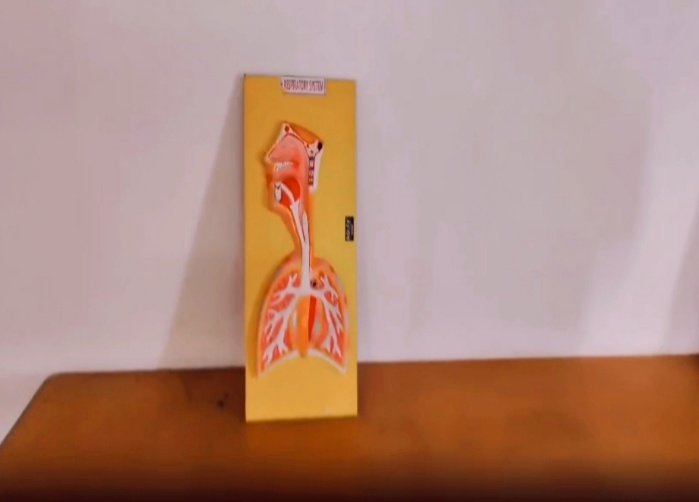
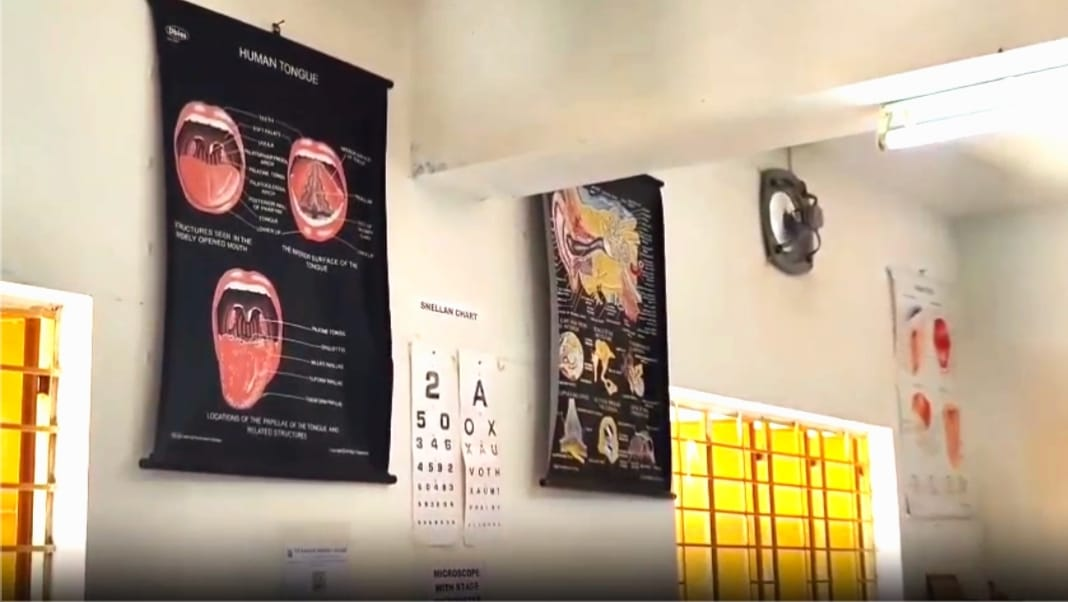
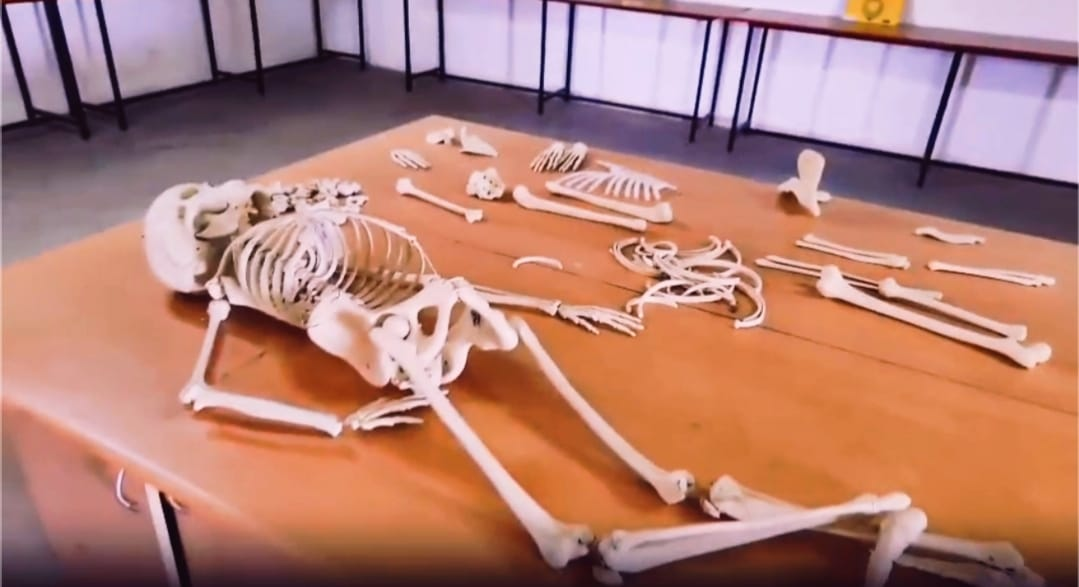
- Collection of educational charts and anatomical models
- Preserved specimens for practical understanding
- Display of various drug samples and dosage forms
Learning Support
- Understanding drug classification and dosage forms
- Learning routes of drug administration
- Visual explanation of mechanisms of drug action
- Regularly updated with new models and teaching materials
The museum enhances classroom teaching by providing students with visual aids that simplify complex pharmacological concepts, improve knowledge retention, and expose them to current developments in pharmacology, making it a valuable part of their overall learning experience.
Safety Measures
Safety is given utmost priority in the Pharmacology Department. Proper safety protocols are strictly followed to ensure a secure learning environment for students and staff.
Safety Facilities
- Well-equipped first aid kits for emergency medical assistance
- Fire extinguishers installed at appropriate locations
- Clearly marked emergency exits for quick evacuation
- Safe and well-maintained laboratory environment
Students are thoroughly educated about laboratory safety rules and procedures before performing any practical experiments. Regular maintenance and inspection of laboratory equipment are carried out to minimize risks and prevent accidents.
All practical sessions are conducted under the close supervision of qualified faculty members to ensure strict adherence to safety guidelines. These measures create a safe, disciplined, and conducive environment for effective practical learning.
Academic Activities & Records
The department maintains systematic and well-organized academic records, including attendance registers, practical records, stock registers, and internal assessment reports. Proper documentation ensures transparency and accountability in all academic processes.
- Maintenance of attendance registers, practical records, stock registers, and internal assessment reports
- Seminars and presentations conducted by students to enhance subject knowledge and communication skills
- Workshops and training programs focusing on practical learning and professional development
- Guest lectures by industry experts and academicians to provide exposure to current trends in pharmacology
- Group discussions, case studies, research projects, and mini-projects to develop analytical and research-oriented thinking
These academic activities encourage active learning, improve communication and presentation skills, and keep students updated with recent advancements in pharmacology. Students are motivated to participate in scientific discussions and develop a strong research-oriented mindset.